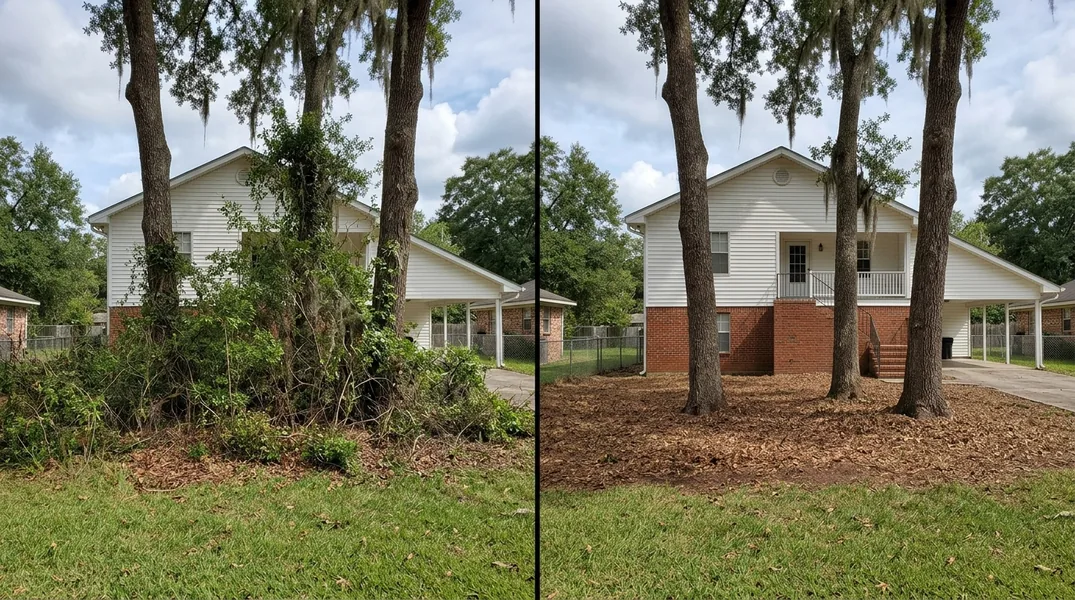
Why Live Oaks Matter in Acadiana
Live oak trees are more than just beautiful additions to the Lafayette landscape. They are living monuments to the region's history, character, and natural heritage. These majestic trees, with their sprawling branches and evergreen canopies, have stood witness to generations of Acadiana life. They provide shade, wildlife habitat, and an unmistakable aesthetic that defines the area's charm.
In Lafayette and throughout Acadiana, live oaks often become family landmarks. A large live oak in your yard is not just a tree; it is an investment in your property's beauty and value. However, these iconic trees require specialized knowledge and care to thrive. Unlike deciduous trees that shed their leaves seasonally, live oaks maintain their foliage year-round and have unique growth patterns that demand thoughtful management. Understanding how to properly maintain your live oak ensures it will continue to provide shade and beauty for decades to come.
Understanding Live Oak Growth Patterns and Structure
Live oaks grow differently than most other trees in North America. Instead of growing upward like traditional oaks, live oaks spread outward, developing massive horizontal branches that can extend far from the trunk. This growth pattern makes them structurally unique and visually stunning, but it also means they require a different approach to care and maintenance. The weight distribution of these lateral branches requires careful attention to prevent structural failure or damage to surrounding property.
The wood of a live oak is extremely dense and hard, which contributes to the tree's longevity but also makes pruning more challenging. Improper pruning techniques can damage the tree, create entry points for disease, and compromise the tree's structural integrity. This is why professional Tree Trimming & Pruning is so important for live oaks. Experienced arborists understand the specific biology of live oaks and know how to make cuts that promote healing rather than disease. They also understand which branches can be safely removed and which should be left to maintain the tree's natural form and strength.
Live Oak Trimming: Best Practices and Timing
Proper live oak trimming begins with understanding the best time to prune. Unlike many trees that benefit from late winter pruning, live oaks should ideally be pruned in late summer or early fall, after the intense heat of summer has passed but before cooler weather arrives. This timing allows the tree to heal from pruning wounds before stress from heat or cold can compromise its recovery. Pruning during the growing season or in spring can stimulate tender new growth that may be susceptible to disease or pest damage.
When pruning a live oak, the goal should always be to enhance the tree's natural form rather than reshape it dramatically. Remove dead, diseased, or crossing branches first. Then address any branches that are rubbing against structures, power lines, or creating hazardous conditions. Avoid removing more than 15 to 20 percent of the tree's canopy in a single year. This conservative approach prevents stress and allows the tree to maintain its energy reserves. Always use sharp, properly sanitized tools and make cuts just outside the branch collar, the slightly raised area where the branch meets the trunk. This technique, called proper branch collar cutting, promotes faster healing and reduces the risk of disease entry.
Homeowners in Lafayette who are unsure about their live oak's pruning needs should call Lafayette Tree Service at (337) 434-3861 to discuss their specific situation. Professional arborists can assess your tree's health and structure, then create a customized pruning plan that addresses your concerns while preserving the tree's beauty and longevity.
Spanish Moss Removal and Live Oak Health
Spanish moss is an iconic part of the Acadiana landscape, and many homeowners appreciate its presence on their live oaks. However, excessive Spanish moss growth can sometimes create problems. While Spanish moss is not a parasite and does not feed on the tree, heavy accumulations can block sunlight from reaching the canopy, potentially weakening the tree over time. Additionally, the weight of dense moss can strain already heavy branches, and the moisture it retains may create conditions favorable for fungal issues in humid climates like Lafayette.
If you decide that Spanish moss removal is necessary for your live oak, it is important to approach the task carefully. Aggressive removal methods can damage the delicate bark and branches of your tree. Professional arborists use gentle techniques such as careful hand removal or low-pressure washing to remove moss without harming the tree. They can also thin moss selectively, removing enough to improve light penetration and reduce weight while preserving some of the moss for aesthetic appeal. The decision to remove Spanish moss should be based on the specific health needs of your individual tree, not simply on preference. An experienced arborist can help you determine whether removal is beneficial for your live oak's long-term health.
Disease Prevention and Live Oak Protection
Live oaks in Acadiana face several potential threats, including oak wilt, bacterial leaf scorch, and various fungal diseases. Oak wilt is particularly concerning because it can spread rapidly through root systems and pruning wounds. This is why proper pruning technique is not just about aesthetics; it is a critical disease prevention strategy. Pruning wounds should be made cleanly and precisely, and tools should be sanitized between cuts to prevent disease transmission from one branch to another or from one tree to another.
Beyond proper pruning, live oak protection involves maintaining overall tree health through appropriate watering, mulching, and monitoring for signs of stress or disease. Newly planted or young live oaks benefit from consistent watering during dry periods, while established trees are generally drought-tolerant but may need supplemental water during extended dry spells. A layer of mulch around the base of the tree helps retain soil moisture and regulate soil temperature, but mulch should never touch the trunk directly. Regular inspection for signs of pest damage, disease, or structural problems allows you to address issues early before they become serious. If you notice signs of disease, unusual pest activity, or structural concerns, contact Lafayette Tree Service promptly for a professional assessment.
When to Call a Professional Tree Service Near Me
While some basic tree maintenance can be handled by homeowners, live oak care often requires professional expertise. Climbing large live oaks, operating power equipment, or making significant pruning decisions should be left to trained professionals with proper safety equipment and insurance. Attempting to prune a large live oak yourself can result in injury, property damage, or harm to the tree itself. Professional arborists bring specialized knowledge, proper equipment, and safety protocols that protect both you and your tree.
Lafayette Tree Service serves homeowners throughout the Lafayette area with comprehensive live oak care, including Tree Trimming & Pruning, Spanish moss removal, disease assessment, and structural evaluation. If your live oak shows signs of damage from storms, disease, or pest activity, or if you simply want to ensure your tree receives the best possible care, reach out for a free estimate. You can also call (337) 434-3861 to speak with an arborist about your specific needs. Protecting your live oak today ensures it will remain a beautiful landmark on your property for generations to come.
Looking for a professional tree service contractor in Lafayette? Lafayette Tree Service responds fast for all your tree service needs.
Get a Free QuoteOur services: Tree Removal · Tree Trimming & Pruning · Stump Grinding